
Bambú Artesanías: Sustainable E-commerce Design for Artisan Entrepreneurs
Project Gallery
The situation
Bambú Artesanías makes handmade goods. Their products photograph beautifully and carry an obvious story, but they were selling through social media DMs, which meant every order was a manual conversation and nothing scaled.
The challenge with craft goods online is specific: the value lives in the making, and a generic template flattens that into just another product grid. If the store looks mass-produced, the products read as mass-produced too.
Decisions that shaped the build
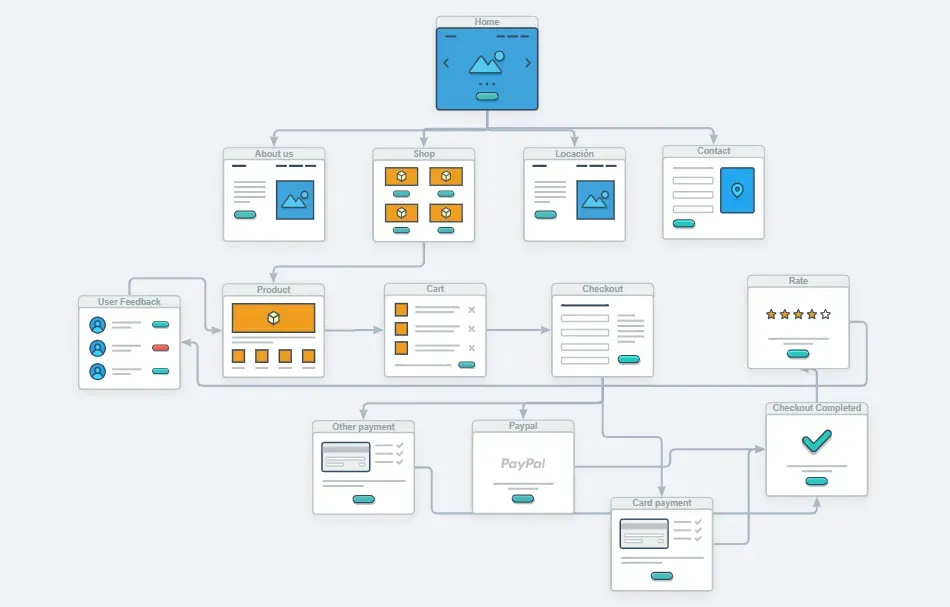
I mapped the purchase flow before designing a single screen. For an audience buying handmade items, the decision is slower and more emotional than buying a commodity. The flow needed room for that: discovery, then context about the maker, then the product, then checkout.
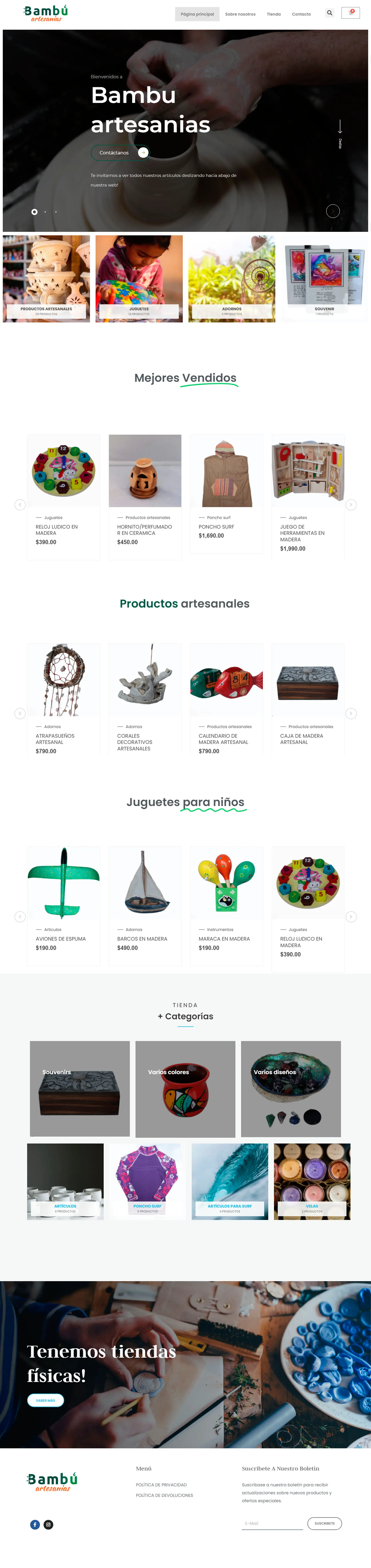
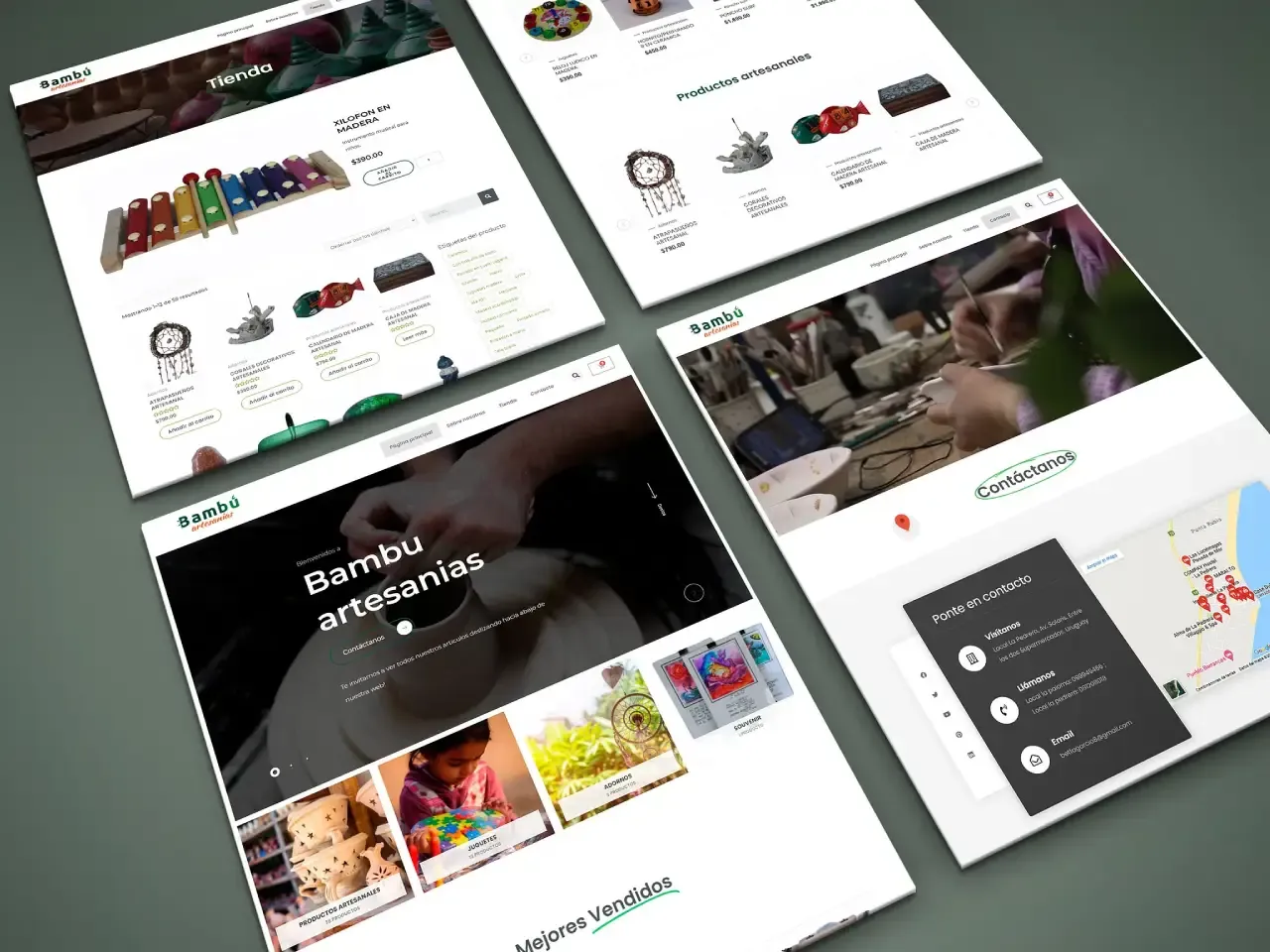
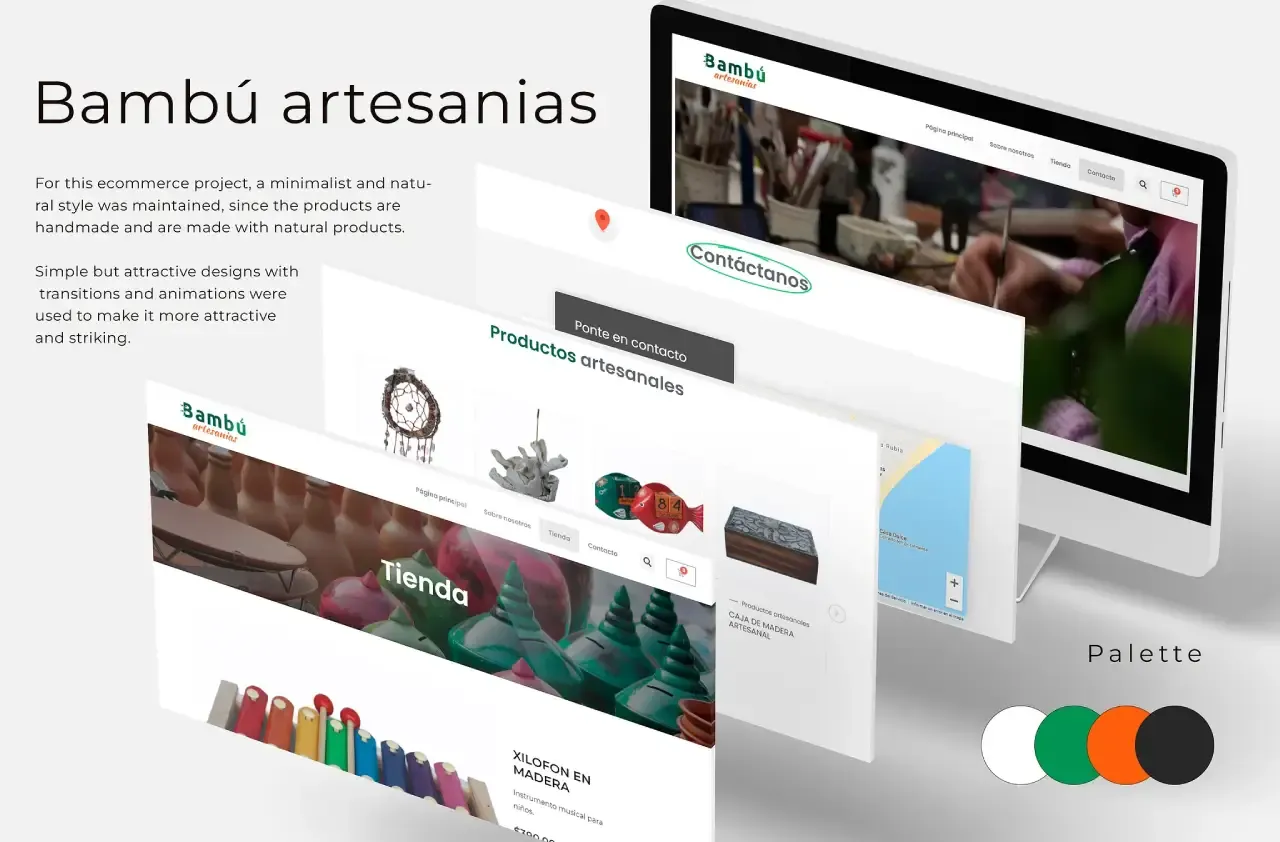
Earth tones with real photography. The palette came from the materials themselves. No stock imagery, because the whole proposition is that a person made this.
Mobile ordering as the default case. Most of their existing traffic came from Instagram, so the phone layout was designed first and the desktop version derived from it, not the other way round.
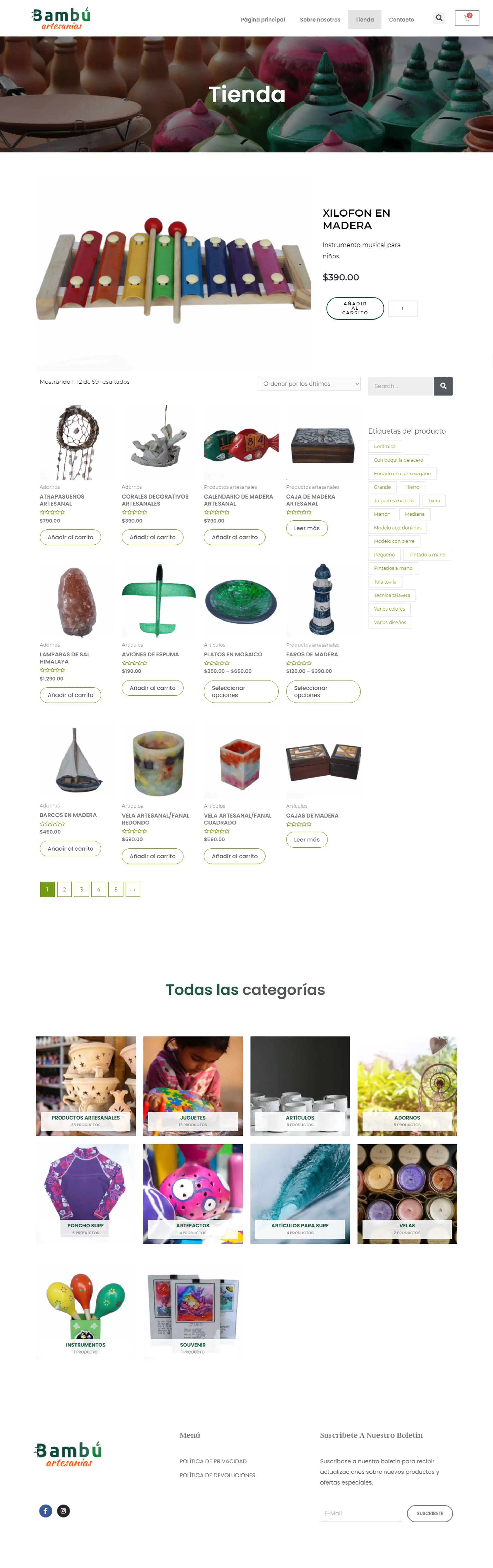
A catalogue that respects browsing. Craft shoppers scroll and compare. The grid is loose enough to let each piece register, with filtering that reflects how the maker actually categorises the work.
The flow in practice
The architecture follows four stages:
- Home establishes who makes the products and why they cost what they cost.
- Shop presents the catalogue with categories drawn from the craft, not generic e-commerce labels.
- Product carries the detail and the reviews that let someone commit.
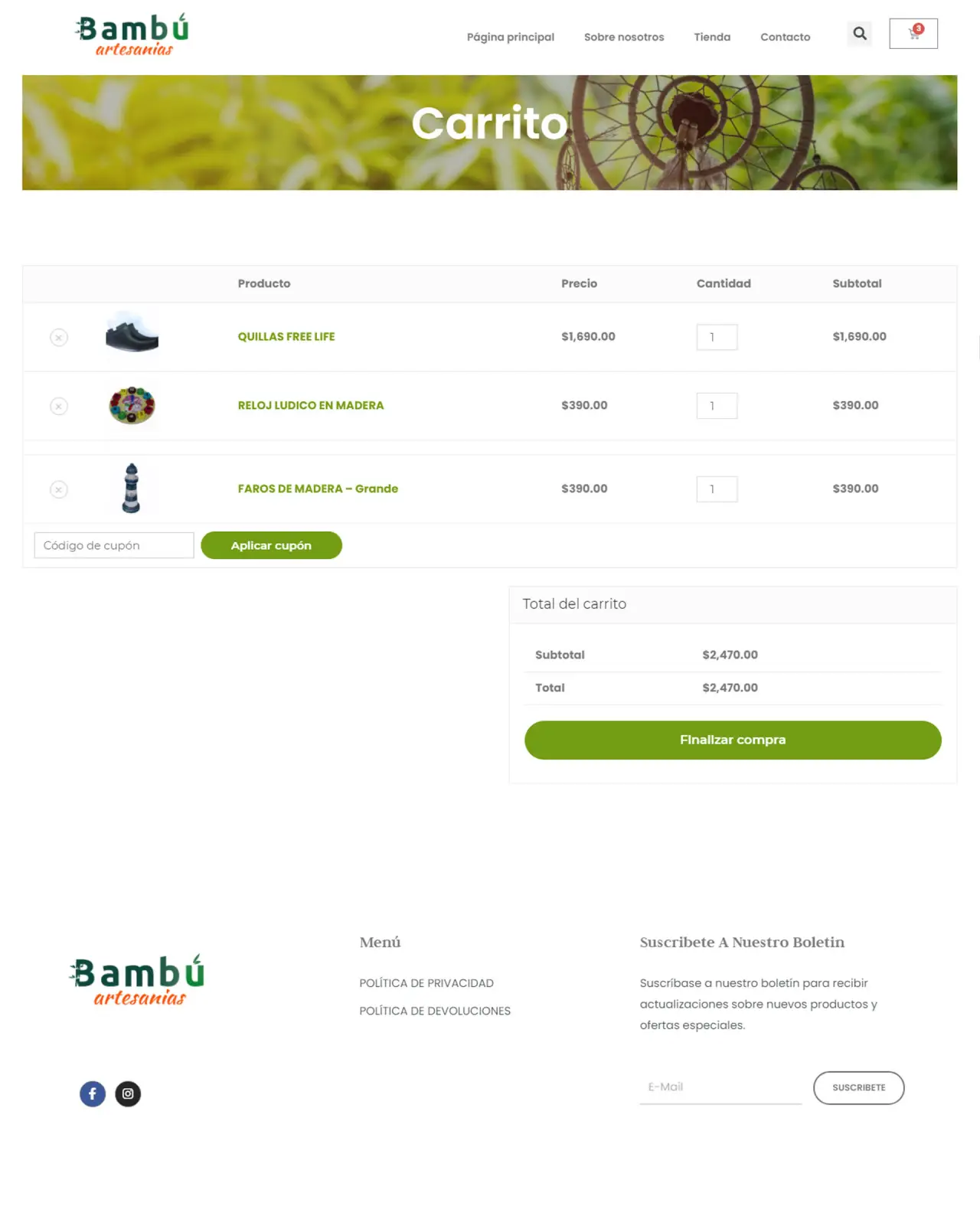
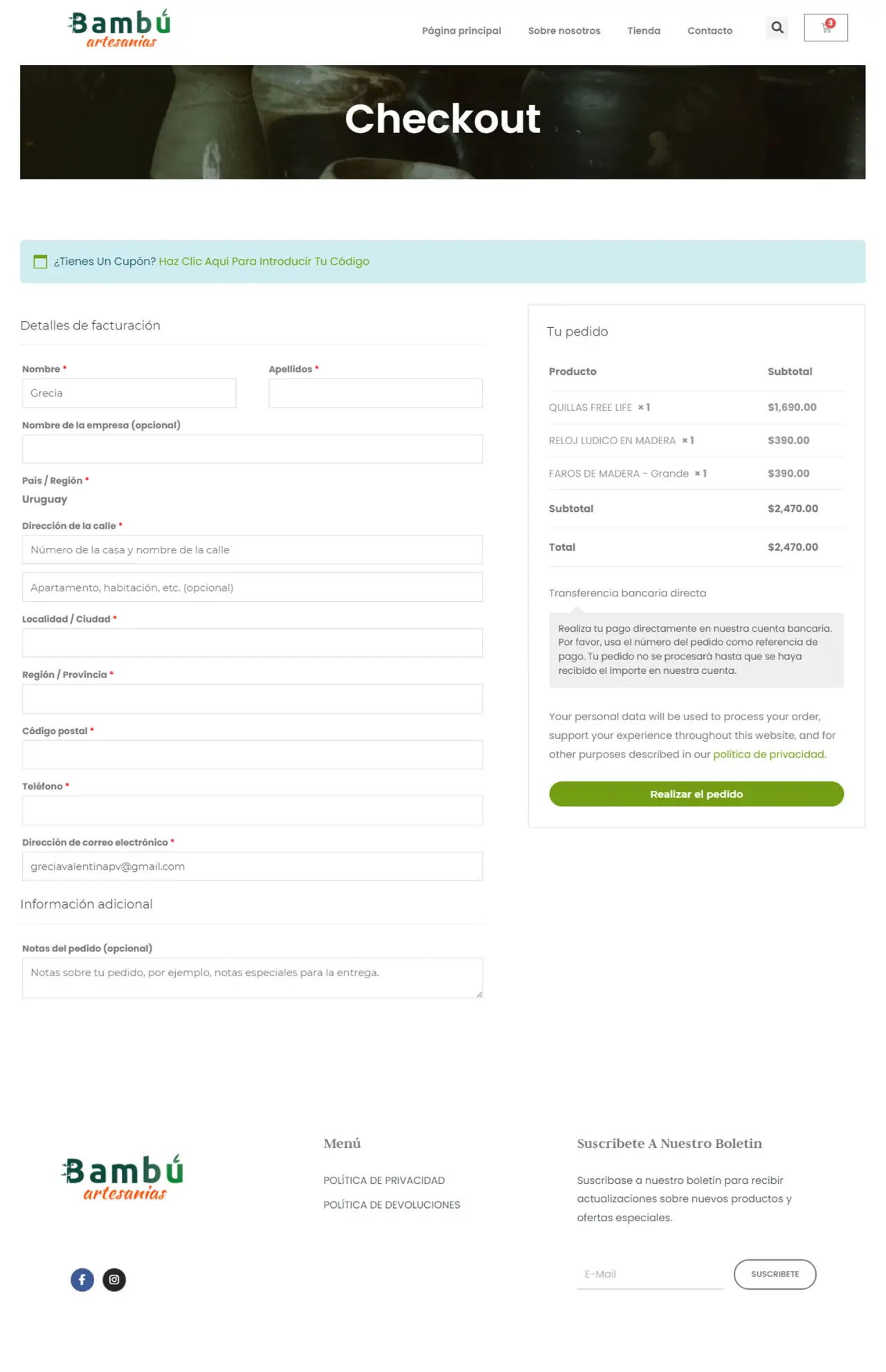
- Checkout collects only what is needed to fulfil the order.
After purchase there is a feedback prompt, which does double duty: it gives the client reviews for future buyers and tells them which pieces land.
Stack
WordPress with WooCommerce for the store logic, built out in Elementor Pro. No purchased theme, so the layout follows the catalogue rather than the catalogue being squeezed into someone else’s template.
Payment methods were set up for both card and local transfer, since a meaningful share of their customers do not use international cards.
Outcome
The client moved from handling orders in DMs to a storefront that processes them on its own, and can add products without touching the design.
Selling something handmade?
Craft products need a store that does not make them look like inventory. If you are moving from social selling to your own site, I can help you plan that transition.