
🎓 EdTech Dashboard Design with Gamified UX for Neurodivergent Learning
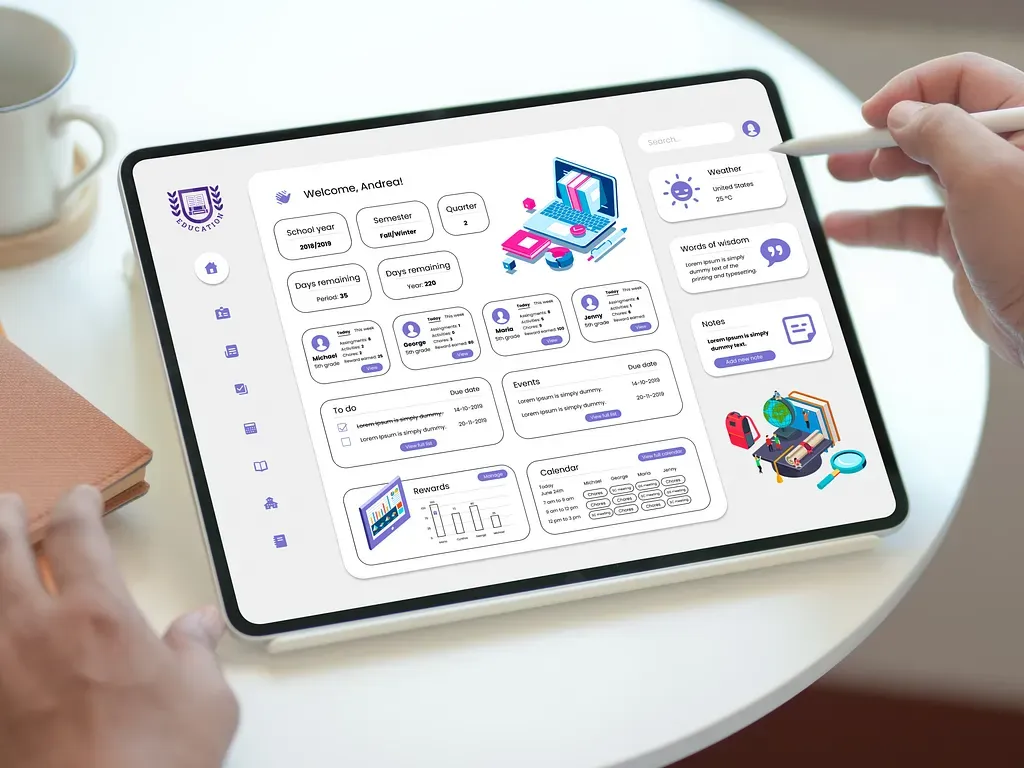
- Core Skills: UI/UX Design, Dashboard Architecture, User Retention Strategy.
- Tools Used: Figma (Components, Auto-layout), Adobe Creative Suite.
- Target Industry: Inclusive Education platforms, SaaS, Learning Management Systems (LMS), Education platforms with Neurodivergent Accesibility.
Transforming E-Learning with Interactive Data Visualization & Community-Driven UX
In the modern digital landscape, online education often suffers from a lack of motivation and “digital isolation.” I designed this E-Learning Platform Home Page to bridge the gap between technical functionality and emotional engagement, creating a Learning Management System (LMS) that feels as intuitive as it is powerful 🚀.
The Challenge: Combatting Educational Tedium
Most EdTech platforms are functional but uninspiring. Students often lose interest due to cluttered interfaces, while educators struggle to manage data across multiple tools. The core problem? A disconnect between Performance Tracking and Real-time Communication.
Strategic Objectives:
- Reduce Cognitive Load: Organizing teacher tools in a single, cohesive workspace.
- Foster Community: Creating direct channels for student-teacher interaction.
- Visualize Success: Using Data Visualization to make student statistics actionable and clear.
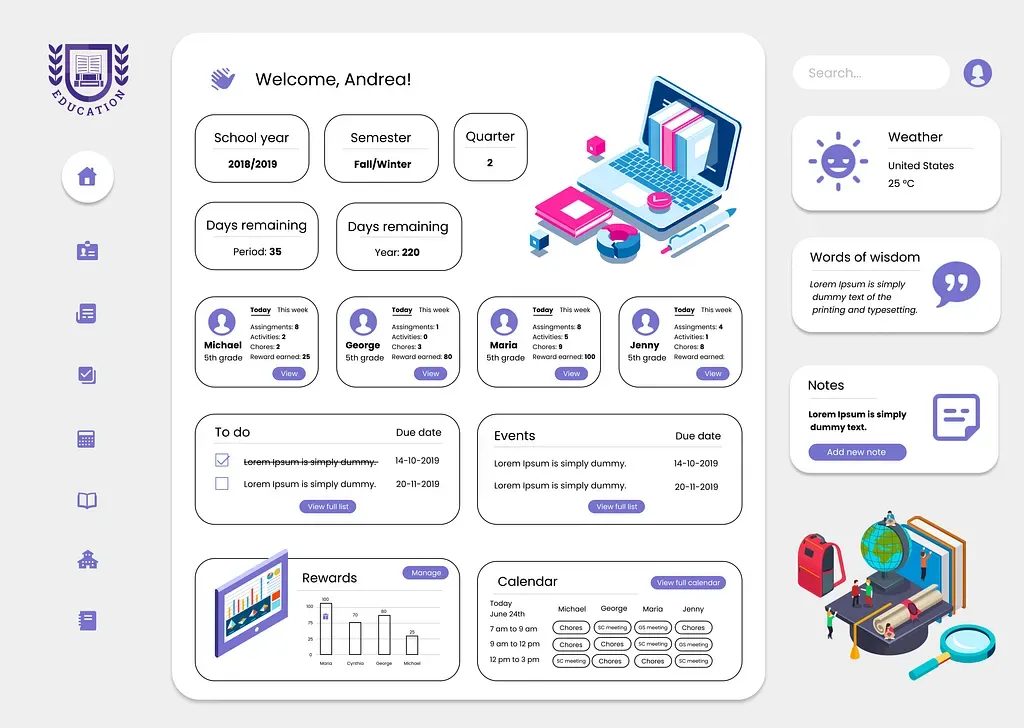
The Solution: A Unified “Control Center” for Educators
This dashboard acts as a “Mission Control” for the teacher. By integrating SaaS UI principles, I developed a layout that manages complex workflows—assignments, live courses, and grading—without overwhelming the user.
Key Features for Maximum Engagement:
📈 Advanced Analytics Dashboard: Teachers can monitor class-wide progress through real-time statistics, allowing for data-backed pedagogical adjustments.
💬 Mentorship-First UX: A dedicated interface for direct student inquiries, ensuring no question goes unanswered and fostering a sense of belonging.
📅 Live Course Integration: A centralized hub for scheduling and hosting online sessions, assignments, and grade books in one place.
Design Systems & Visual Identity
- The aesthetic is “Soft-Tech”: clean, professional, and accessible.
- Minimalist Minimalism: I focused on White Space to improve focus, ensuring the platform looks neat and clean but remains highly practical.
- Color Psychology (Knowledge & Order): The primary use of Purple signifies wisdom, creativity, and structural order—essential traits for an effective e-learning environment.
- Pastel Palette: A selection of light colors and pastels creates a friendly and calming atmosphere.
Gamification as a Tool for Neuro-Inclusive Design
I designed this platform’s architecture to be gamification-ready, leveraging Game UI and Game Interface Design mechanics to transform the learning experience from a passive task into an engaging journey. Beyond mere aesthetics, this is a commitment to inclusive design and digital accessibility.
🧠 Empowering ADHD & Neurodivergent Learners
Standard educational systems often fail to support the executive functions of neurodivergent brains. This UI specifically addresses the needs of users with ADHD by providing:
Instant Feedback Loops: Visual cues such as badges and experience points (XP) provide the immediate dopamine rewards necessary to maintain motivation and focus, something essential to ADHD brains.
Visual Progress Tracking: Clear, interactive progress bars break down overwhelming courses into manageable “quests,” helping users overcome the “wall of awful” often associated with complex tasks.
Reduced Cognitive Load: The organized, minimalist hierarchy prevents sensory overload while keeping essential tools within reach, supporting better concentration and task switching.
Universal Design: Benefits for Everyone
While these features are life-changing for neurodivergent students, they follow the principles of Universal Design.
Intrinsic Motivation: Even for neurotypical users, game-like elements tap into a natural love for play, turning “duty” into “achievement.”
Enhanced Engagement: A level-up system creates a sense of mastery and ownership over the learning process, significantly increasing user retention and course completion rates.
By integrating these Game UI strategies, I’ve created a space where learning is not just accessible, but addictive in the best way possible—ensuring that the system works for the student, rather than against them 🎮.
Technical Implementation & Strategic Branding
This project serves as a comprehensive interactive e-learning UI case study, designed as a responsive LMS interface. My focus as a UI/UX specialist was to prioritize digital accessibility and neuro-inclusive design. By providing executive function support through dopamine-driven design and a student analytics dashboard, this platform ensures high engagement for all learners.